



What Makes the Best Socks for Sweaty Feet Different
By 2 p.m. your socks are damp. By 5 they're cold and damp. And when your shoes come off, everyone in the room knows about it. If that's your day, the sock you're wearing is probably doing the opposite of what you need: soaking up sweat and holding it against your skin.
The short answer on the best socks for sweaty feet: look for a knit that moves moisture rather than absorbs it, ventilation over the top of the foot so that moisture can leave, and odor control built into the fiber. That usually means a performance synthetic or merino wool knit with mesh panels, not a plain cotton tube. Then rotate pairs so each one dries fully, and match the height to your shoe so the sock isn't trapped.
Here's why that works. Sweat itself doesn't smell. The smell comes from bacteria that thrive in a warm, wet, closed environment, which is exactly what a damp sock inside a shoe is. A sock that stays wet keeps that environment going all day. A sock that pulls moisture off your skin and vents it breaks the cycle at the first step: the fabric next to your foot stays drier, the bacteria have less to work with, and your shoes don't finish the day soaked.
So the job of a good sock for sweaty feet isn't to be thick or absorbent. It's to be a conveyor belt: pick moisture up at the skin, move it to the outside of the sock, and let it evaporate.

Which Sock Material Is Best for Sweaty Feet?
Material is the first thing to get right, and it's where most people go wrong.
Cotton is soft and it absorbs a lot. That's the problem. Cotton holds moisture in the fiber and dries slowly, so a cotton sock that gets wet at 10 a.m. is still wet at 3. For a low-sweat day at a desk in breathable shoes, a combed cotton sock is perfectly comfortable. For a foot that sweats through the day, it's the wrong tool.
Performance synthetics (polyester and nylon blends, usually with a little spandex for stretch) don't absorb much into the fiber. Instead, well-designed knits use the structure of the yarn to pull moisture along the fabric and away from the skin. This is what "moisture-wicking" means when a brand actually means it. Synthetics also dry fast, which matters for rotation.
Merino wool does something different: the fiber can take on a fair amount of moisture as vapor without feeling wet against the skin, and it's naturally resistant to odor. It also regulates temperature, which makes it the pick for cold weather and for people whose feet sweat in boots. Good merino is fine-gauge and soft; the scratchy wool sock you remember from childhood is a different animal.
Blends and construction matter as much as the fiber label. Two socks can both say polyester and perform completely differently depending on whether the knit has ventilation panels, how the padding is placed, and whether the yarn is designed to move moisture or just to be cheap. Read past the material line.
The one material to actively avoid is a thick, all-over cotton terry sock. It's the most absorbent construction in the most absorbent fiber, and it's what most "cushioned" bargain socks are.

How Strideline Socks Move Sweat and Stop the Stink
Every Strideline sock is built around the conveyor-belt idea, and the pieces are visible if you turn one inside out.
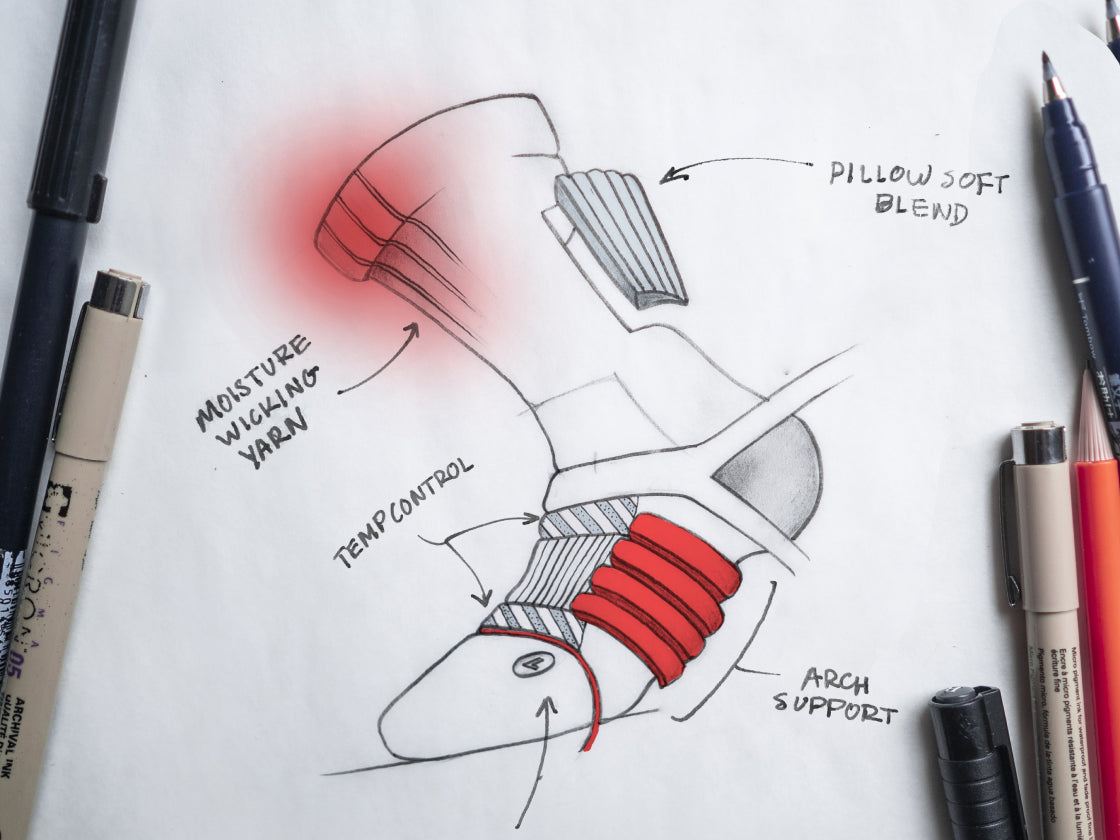
Hydrophilic fibers pull sweat off the skin. Strideline's technology page describes moisture handling as using "hydrophilism and capillary action to ventilate sweat away from your skin, keeping you dry." In plain terms, the yarn next to your foot is designed to grab moisture and pass it outward along the fabric instead of holding it.
Mesh vents let it out. Across the top of the foot, where a shoe's upper is usually most breathable, the knit opens into mesh panels. That's the exit. Moisture that's been pulled to the outer surface of the sock evaporates through the vents rather than sitting in the fabric.
Odor control is built into the knit. Strideline's product pages put it bluntly: "No stank = no worrying when taking your shoes off." That's odor control woven into the fiber rather than sprayed on, so it doesn't wash out after a few cycles.
Zoned cushioning keeps padding where it helps. The Quad-Ply Yarn padding sits under the arch and at the heel and forefoot, with thinner knit over the top of the foot. Padding under the foot absorbs impact; not padding the top of the foot is what leaves room for the vents. A sock cushioned everywhere is a sock that can't breathe.
A sock that stays put runs cooler. This one's easy to miss. A sock that slides and bunches creates friction and traps heat in the folds. The Strideline Heel Strap and Direct Compression hold the sock in position, which keeps the vents where they belong and the fabric flat against your foot. If your socks slide, the stay-up guide covers why and what fixes it.
None of this requires a special "sweat sock." It's the standard construction across The Basics, the performance line, the merino, and the licensed team styles, which is why the next section is about picking by situation rather than hunting for one magic pair.
Best Strideline Socks for Sweaty Feet by Situation
For training and hot weather, go performance. The Performance Premium Crew 4-Pack ($54.99, four pairs) and Performance Ankle Socks (from $14 a pair) are Strideline's performance knit with the mesh vents, hydrophilic fibers, and odor control described above, in grey, white, and black. The Performance Bounce 2.0 multi-packs offer the same idea in crew, quarter, and low cuts for a matched gym rotation. If your feet sweat most when you're moving, start here.
For cold weather and boots, go merino. The Merino Wool Cloud Crew 3-Pack (from $38, three pairs) and 4-Pack ($59.99) use what Strideline describes as fine, low-micron merino that's "soft, not scratchy," with "odor-resistant" fibers and insulation that, in the brand's words, keeps "you cool in the summer and warm in the winter." Boots are the hardest environment for a sweaty foot because nothing vents, and merino is the fiber that handles that best.
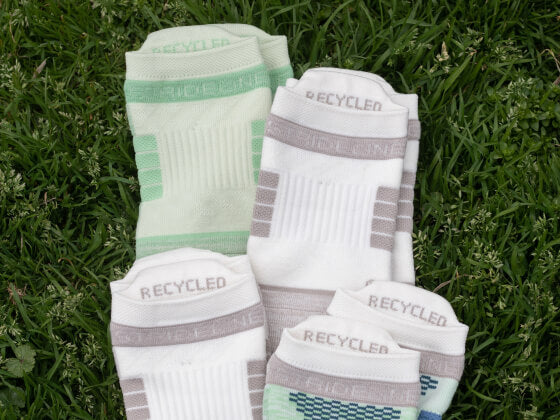
For everyday and work, pick the fiber by the day. The Basics come in the standard knit (Basic Crew from $14, Basic Mid from $12, Basic Ankle from $12, Basic No-Show from $10.50), in combed cotton (Combed Cotton Premium Crew and Ankle), and in a recycled knit through the Eco Collection, which Strideline describes as "made from recycled plastic bottles." If your feet sweat at a desk, the standard or Eco knit will run drier than the cotton. If they don't, the combed cotton is the softest option and the choice is yours.
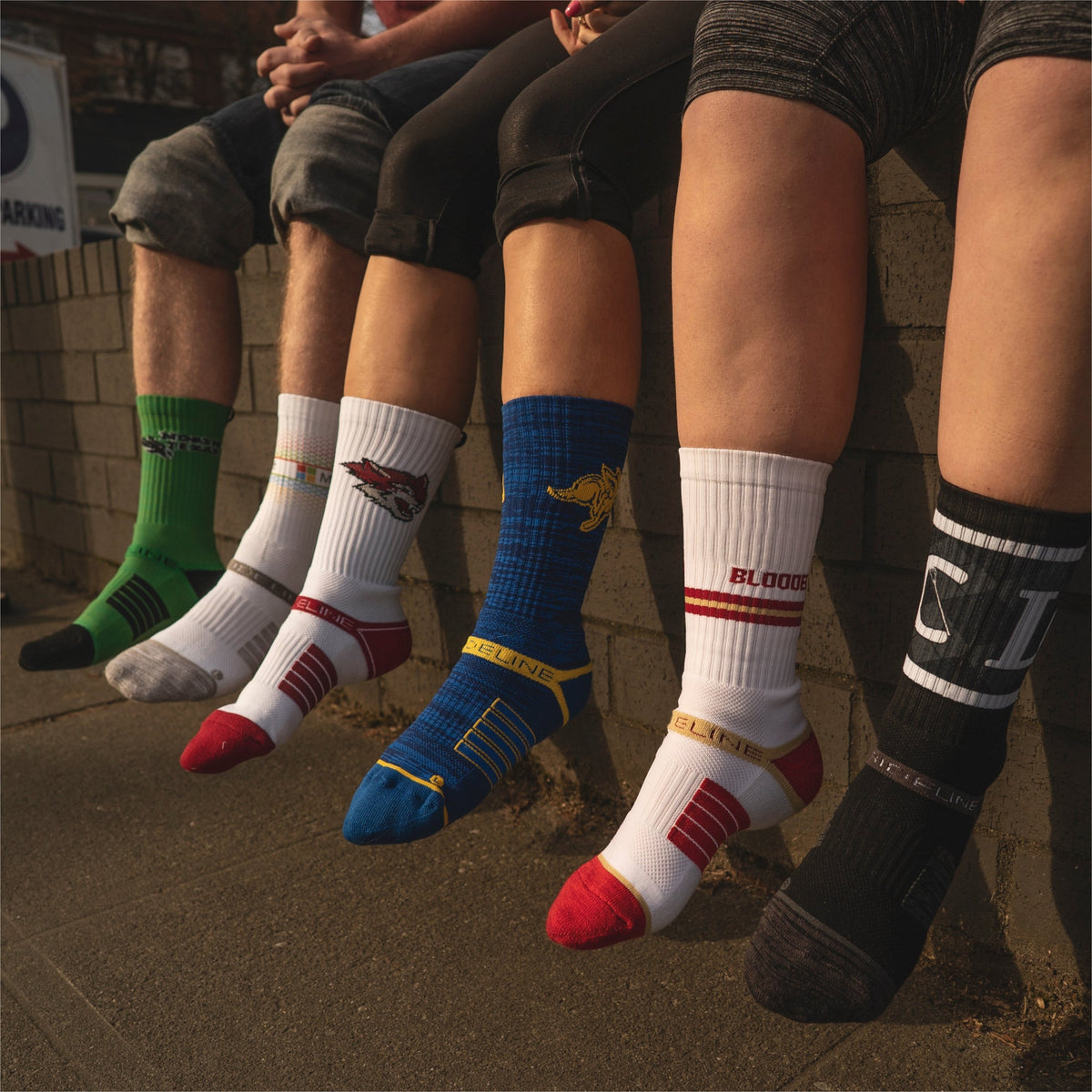
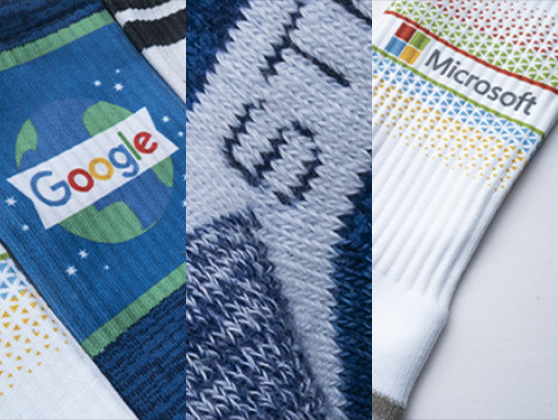
For game day, the licensed socks are performance socks with a logo. Strideline's Fan Wear line is knit from polyester-nylon blends (the NCAA Half Calf, for example, is 83% polyester and 11% nylon) with the same moisture-wicking and odor control as the basics. A long tailgate in September is a sweaty-feet situation, and a team sock built like a performance sock is the right answer to it. The NCAA collection covers more than 300 schools.
Height matters more than you'd think. A no-show or ankle sock in a low sneaker gives the top of your foot the most air. A crew or half calf in a boot gives it the least, which is why merino earns its place there. The height guide covers where each one lands; for sweat, shorter and more open wins whenever the shoe allows it.
Habits That Help, Because Socks Can't Do It Alone
The right sock does most of the work. A few habits do the rest.
Rotate pairs and let them dry completely. A sock that goes back on before it's fully dry starts the day already behind. Two or three pairs in rotation, dried flat or in the dryer, fixes this. Strideline's care label is machine wash cold, tumble dry.
Let your shoes dry too. Shoes hold moisture for hours after you take them off. Alternating two pairs of shoes gives each one a day to dry out, and it's the single biggest change most people can make.
Change socks after you sweat hard. After a workout or a long walk, a fresh pair is the difference between a dry afternoon and a damp one. Keep a spare pair in the gym bag or desk drawer.
Size correctly. A sock that's too big bunches, and bunched fabric traps heat and moisture. Strideline's size guide runs Small (men's 4–8), Medium/Large (8–12), and Extra Large (12–16), with women's Small (5.5–9.5) and Medium/Large (9.5–13), and recommends sizing up between sizes.
Match the shoe to the day. A breathable mesh trainer and a moisture-wicking sock work together. A leather boot and a cotton sock work against each other. When you can choose, choose the pairing that vents.
And if your feet sweat heavily no matter what you wear or do, that's worth a conversation with a doctor. Socks help most people a lot; they're not the whole answer for everyone.
Dry feet come down to fabric that moves moisture, a knit that lets it out, and odor control that doesn't wash away. Every Strideline sock is built that way, so the choice is really about the day: performance for training, merino for boots and cold, the standard or Eco knit for work, and licensed styles for the stands. Start with the situation that gets your feet wettest, pick the pair above, and give it a week. The comfort guide covers everything else that goes into a sock you forget you're wearing.
FAQ
Which sock material is best for sweaty feet?
Performance synthetics (polyester-nylon knits designed to wick) and merino wool. Synthetics move moisture along the fabric and dry fast; merino takes on moisture without feeling wet and resists odor naturally. Plain cotton absorbs sweat and holds it, so it's the material to avoid on a heavy-sweat day.
What kind of socks help prevent sweaty feet?
Socks can't stop your feet from sweating, but the right ones keep the sweat from sitting on your skin. Look for moisture-wicking fibers, mesh ventilation over the top of the foot, cushioning placed in zones rather than everywhere, and odor control built into the knit. Strideline's socks use mesh vents and hydrophilic fibers for this across every line.
Which socks are best for sweaty and smelly feet?
The smell comes from bacteria in a warm, damp sock, so the fix is a sock that stays drier and has odor control in the fiber. Strideline's performance and everyday socks carry built-in odor control ("No stank" on the product pages), and the Merino Wool Cloud Crew adds wool's natural odor resistance for boots and cold weather. Rotating pairs and letting shoes dry between wears does the rest.
What type of socks are best for running with sweaty feet?
A performance synthetic in a shorter height. Ankle or mid gives the top of your foot the most airflow in a running shoe, and a wicking knit moves sweat out as you go. Strideline's Performance Ankle Socks and the Performance Bounce 2.0 low and quarter cuts are built for exactly this, with the Heel Strap keeping the sock from sliding as you run.
Are cotton socks bad for sweaty feet?
Not bad, just wrong for the job. Cotton is soft and comfortable on a low-sweat day in breathable shoes, but it absorbs moisture and dries slowly, so it stays wet once it gets wet. If your feet sweat through the day, choose a performance knit or merino instead and save the cotton for lighter days.